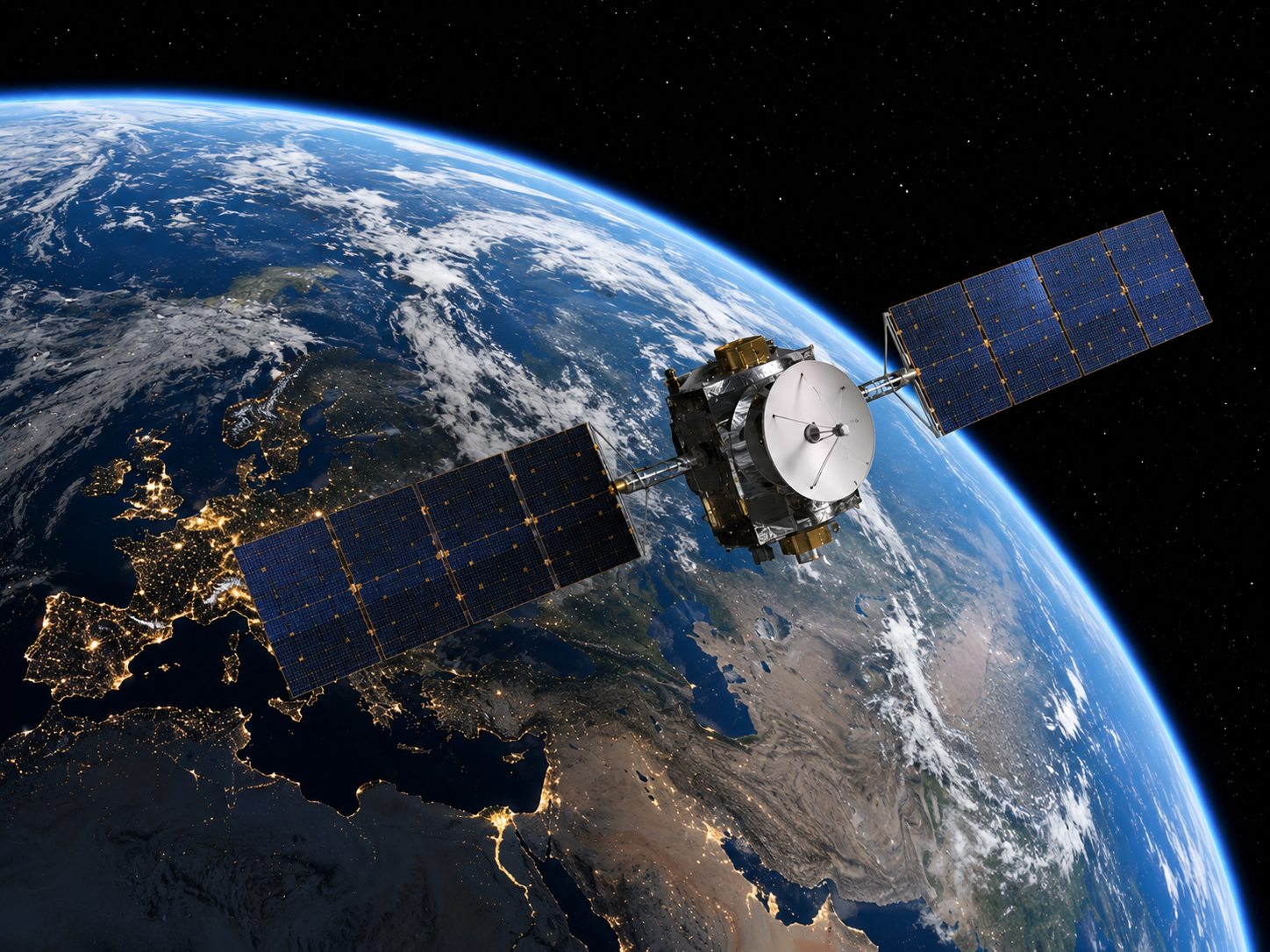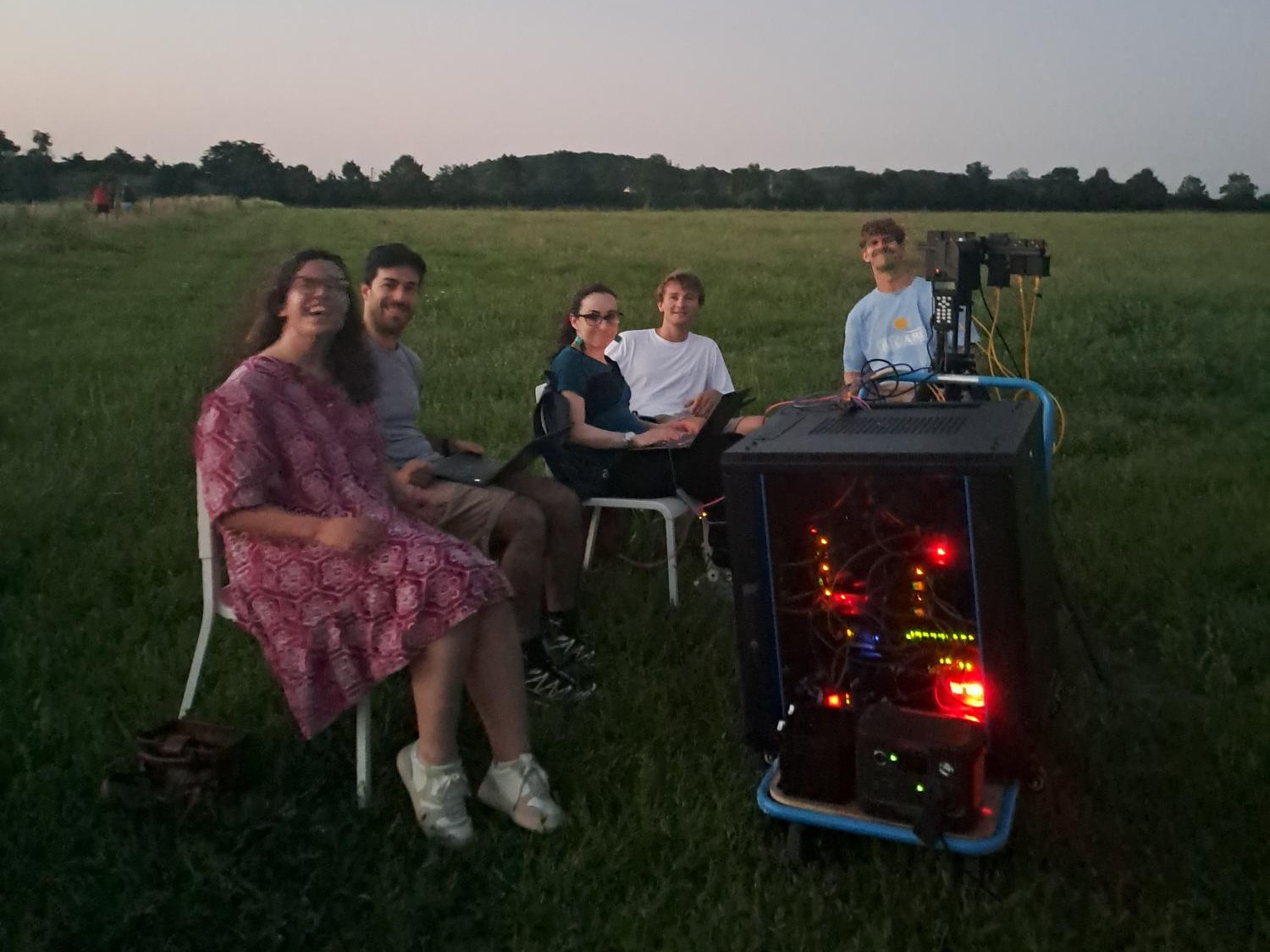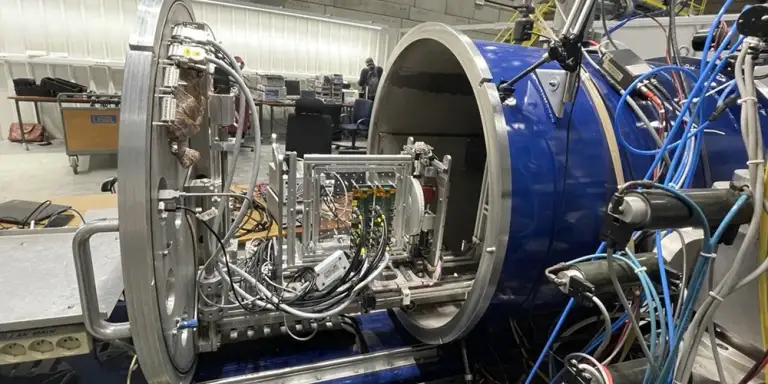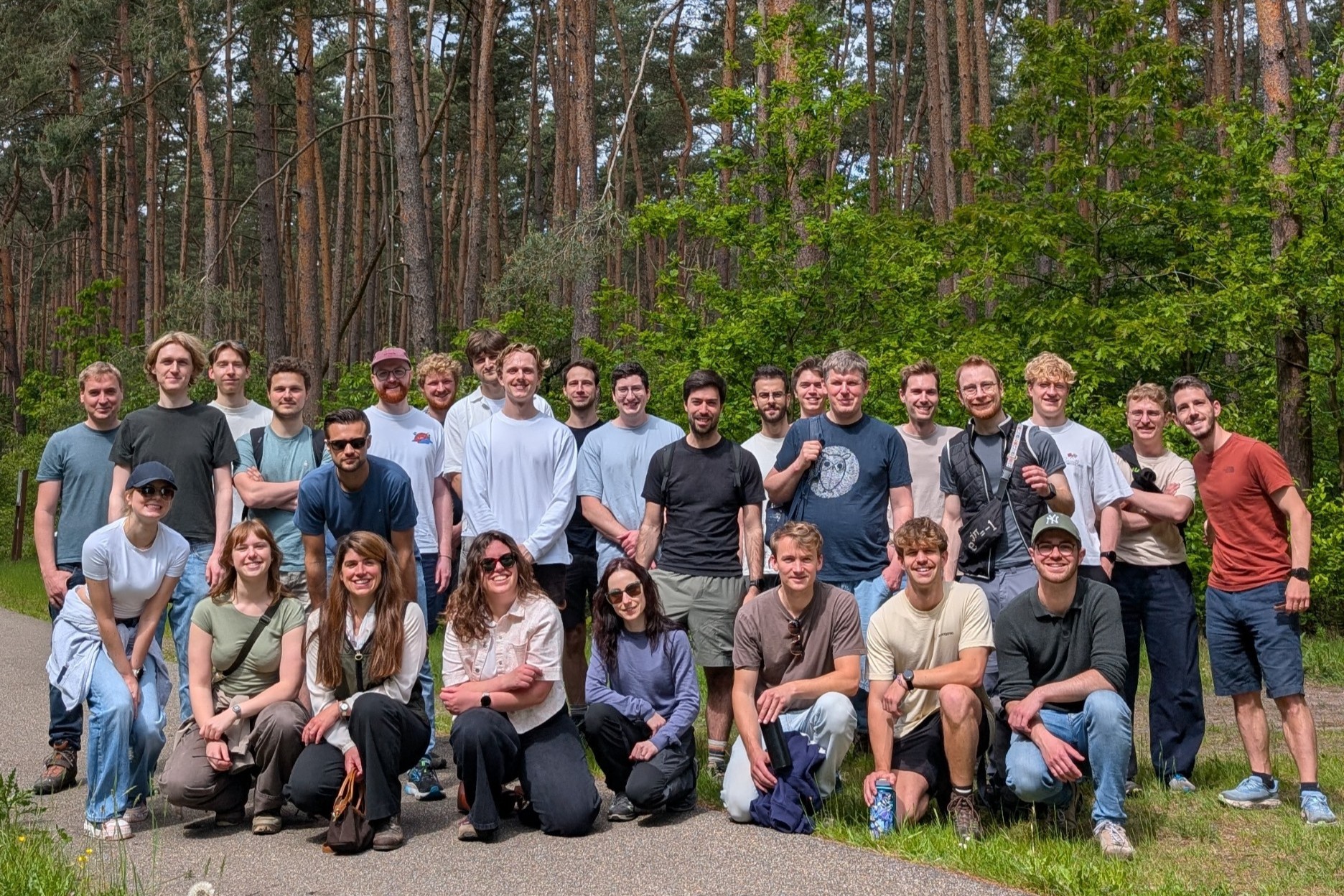
In just five years, the space scale-up arcsec has grown into a trusted foundation of satellite navigation. We create steering and tracking systems, and are pioneering space situational awareness. We provide the baseline stability needed in commercial space. Thousands of small satellites are currently racing through the silent vacuum of space at speeds exceeding 27,000 kilometers per hour. These compact vessels carry immense responsibility: charting changing climates, bridging global communication gaps with laser links, and peering into the deepest corners of the cosmos.
Yet, a satellite’s capabilities are entirely bound to its vision. If a spacecraft trembles by even a fraction of a degree, critical climate imagery blurs into static, and long-range laser connections break in empty space.
At arcsec, we resolve this fundamental bottleneck by creating ultra-precise Attitude Determination and Control Systems (ADCS). We are building autonomous, closed-loop navigation ecosystems that allow commercial fleets to sense, track, and independently steer clear of orbital debris. We are pushing the boundaries of precision ADCS with our reaction wheel developments, including levitating reaction wheels for long-duration missions.
Born from decades of academic research in optics and aerospace engineering, arcsec has transitioned from a research project into a proven global mission enabler. To match this trajectory - marked by system sales doubling between 2024 and 2025 - we recently moved into a larger, modern facility in Leuven, Belgium. Our new home serves as the physical launchpad for our growing ambitions.
Star trackers that speak to the imagination
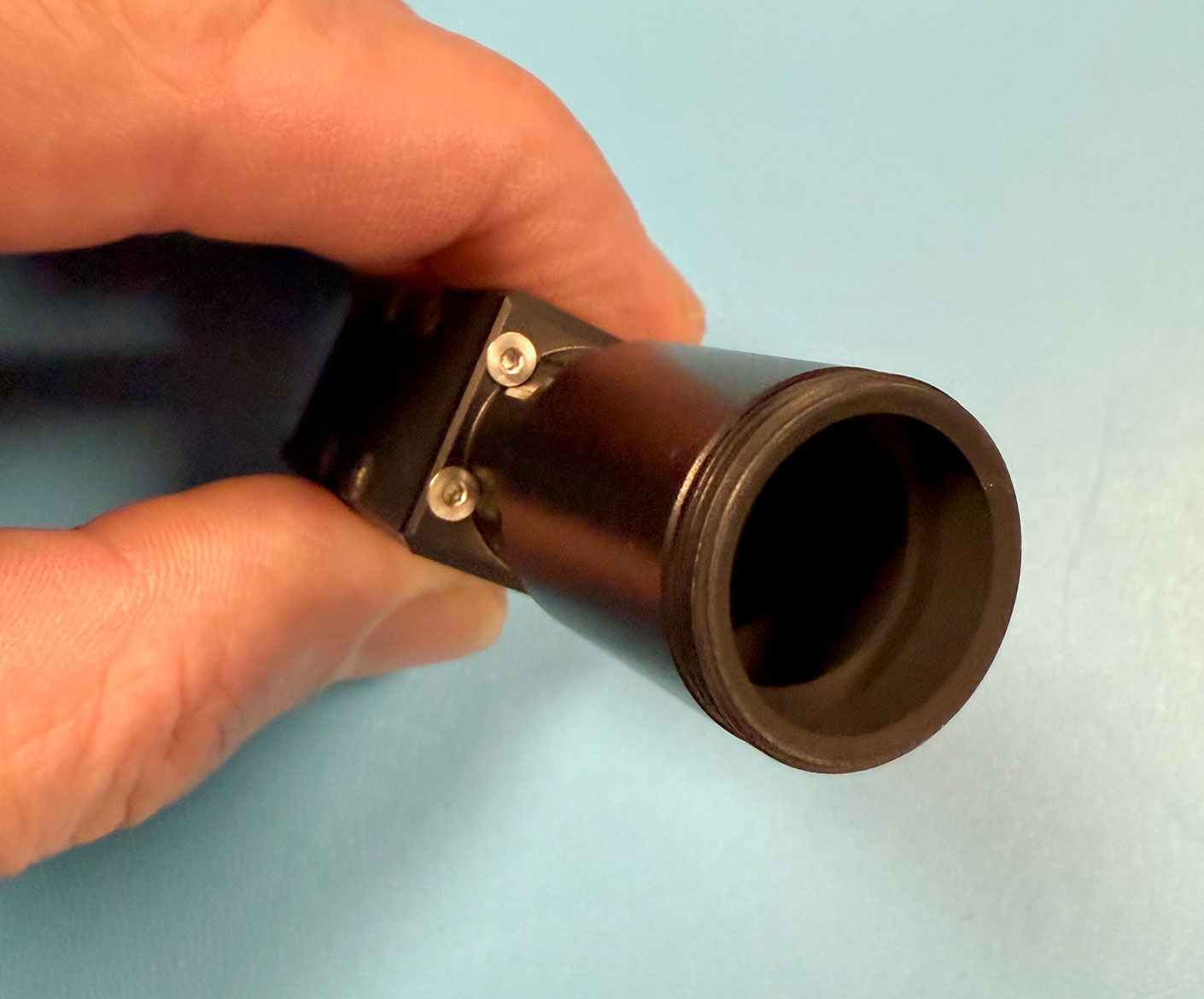
To keep a satellite flawlessly oriented in the deep black, we look to the stars. Our star trackers function as cosmic cameras. They capture real-time signatures of star patterns and instantly cross-reference them with an internal celestial map. The result is instantaneous, absolute orientation.
In reality, this extreme stability unlocks breathtaking performance. It allows an imaging satellite to detect a forest fire no larger than a compact car from hundreds of miles above, or dynamically pivot its gaze to focus perfectly on Big Ben, the Eiffel Tower, and the Brussels Atomium during a single, swift orbital pass.
We achieve this precision through uncompromised, robust engineering choices:
- Environmental endurance: Surviving wild launch vibrations, and thriving amid the thermal swings and harsh radiation of deep space.
- Minimal power draw: Operating on minimal electricity to preserve the vital energy of multi-year missions.
- Cognitive edge processing: On-board computer chips process celestial maps locally. This allows the satellite to think and self-correct instantly without waiting for Earth’s reply.
- Super-sensitive perception: Ultra-sharp optical sensors capable of tracking dim stars and neighboring floating objects with immaculate accuracy.
- In-orbit metamorphosis: Secure software updates beamed directly from Earth. This enables hardware to learn entirely new capabilities mid-mission.
Mapping a safe horizon for space exploration
As modern missions grow more sophisticated, arcsec is evolving from a components manufacturer into an architect of complete, closed-loop navigation packages. Engineered to scale, these plug-and-play systems are designed to steer everything from singular CubeSats to massive commercial SmallSat fleets. They seamlessly adapt to coordinate constellations comprised of hundreds of satellites.
Simultaneously, we recognize that the orbital environment is becoming increasingly congested. To protect the future of flight, we are transforming our navigation cameras into active guardians of Space Situational Awareness (SSA):
- Observing space debris: Repurposing our standard optical sensors to detect, track, and calculate the trajectories of dark, floating space debris.
- Multispectral understanding: Utilizing advanced imaging in different wavelengths and edge intelligence to further characterize uncatalogued orbital objects.
- Autonomous avoidance: Infusing satellites with the cognitive independence to predict and steer away from oncoming collisions entirely on their own.
- Collaborative safeguards: Fostering a safer orbital ecosystem through a technical data-sharing partnership with several commercial and institutional partners.
Proven in orbit and supported by a strong network
In the aerospace industry, true trust is forged in the unforgiving environment of space. Having delivered over 200 star trackers - with scores currently operating in orbit - arcsec has repeatedly earned its badge of honor. Our technology serves as the guiding vision and precise actuators for high-profile endeavors ranging from deep-space European Space Agency (ESA) scientific missions to expansive commercial imaging fleets.
“Our global ascent is nurtured by a robust domestic ecosystem. As a proud member of Flanders Space, arcsec collaborates deeply with Belgian universities, research institutions, and industrial pioneers.”
Belgium has long been a quiet powerhouse in the European space sector. arcsec embodies this legacy by combining deep-tech expertise with global ambition. This way, we are building a reliable foundation for the next generation of space travel.